


China’s nuclear fleet expands rapidly
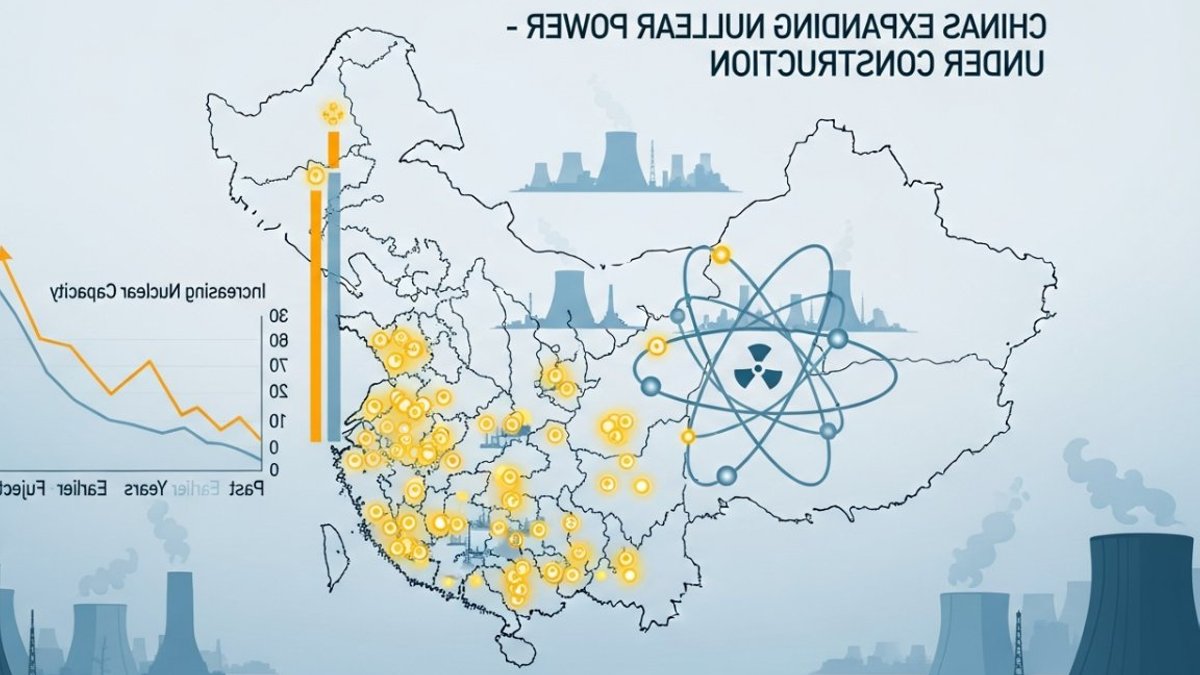
China is building nuclear reactors at a pace that outstrips the rest of the world, with 36 under construction and a total capacity that has surged 76% since 2016.
The country now operates 60 reactors, producing 58.7 gigawatts (GW) of electricity. Another 3.3 GW is expected to come online by 2026, according to recent data. Together, these projects account for nearly half of all nuclear reactors currently being built globally.
Related: IBM invests $10 billion to lead quantum era
Most of China’s nuclear plants are clustered near major cities in the eastern half of the country. Officials say this placement is meant to meet rising energy demand without overloading the grid. For businesses, the shift could mean more stable electricity prices and fewer disruptions from fossil fuel market swings.
China’s approach to nuclear construction has also set a new standard for speed. The average reactor takes about six years to build—three years faster than the global average. Standardized designs, streamlined licensing, and consistent project management have all helped cut timelines.
The country isn’t just building traditional reactors. It’s also developing small modular reactors (SMRs), like the domestically designed Linglong-1. These smaller units can generate power, desalinate water, and provide district heating. For smaller businesses, they could offer a more flexible and affordable way to access nuclear energy.
Related: Benefits of Investing In .in Domain Name For Your Business
Still, the expansion isn’t without challenges. Nuclear projects require heavy upfront investment, and plants can take decades to pay off. Regulatory hurdles and public skepticism about safety remain obstacles, even as China pushes to localize its supply chain and reduce reliance on foreign technology.
Domestic manufacturing is a key part of that strategy. By producing more components at home, China aims to lower costs and avoid supply chain bottlenecks. That could open doors for local businesses to partner with nuclear suppliers, though competition will likely be fierce.
For now, the focus is on scale. China’s nuclear fleet is already the largest in the world by operational capacity, and the government shows no signs of slowing down. If the trend continues, it could reshape global energy markets, offering a model for other countries looking to cut carbon emissions without sacrificing reliability.
Related: How Top Revops Agencies Are Transforming Revenue Operations for Businesses
Businesses watching energy costs may find the shift hard to ignore. Nuclear power doesn’t fluctuate with oil or gas prices, and its long-term stability could be a lifeline in an unpredictable economy. But for those considering a switch, the upfront costs and regulatory maze will require careful planning.
One thing is clear: China’s nuclear push isn’t just about energy. It’s about control—over prices, supply chains, and the future of power. And for businesses both inside and outside the country, that control could soon become a competitive advantage.


